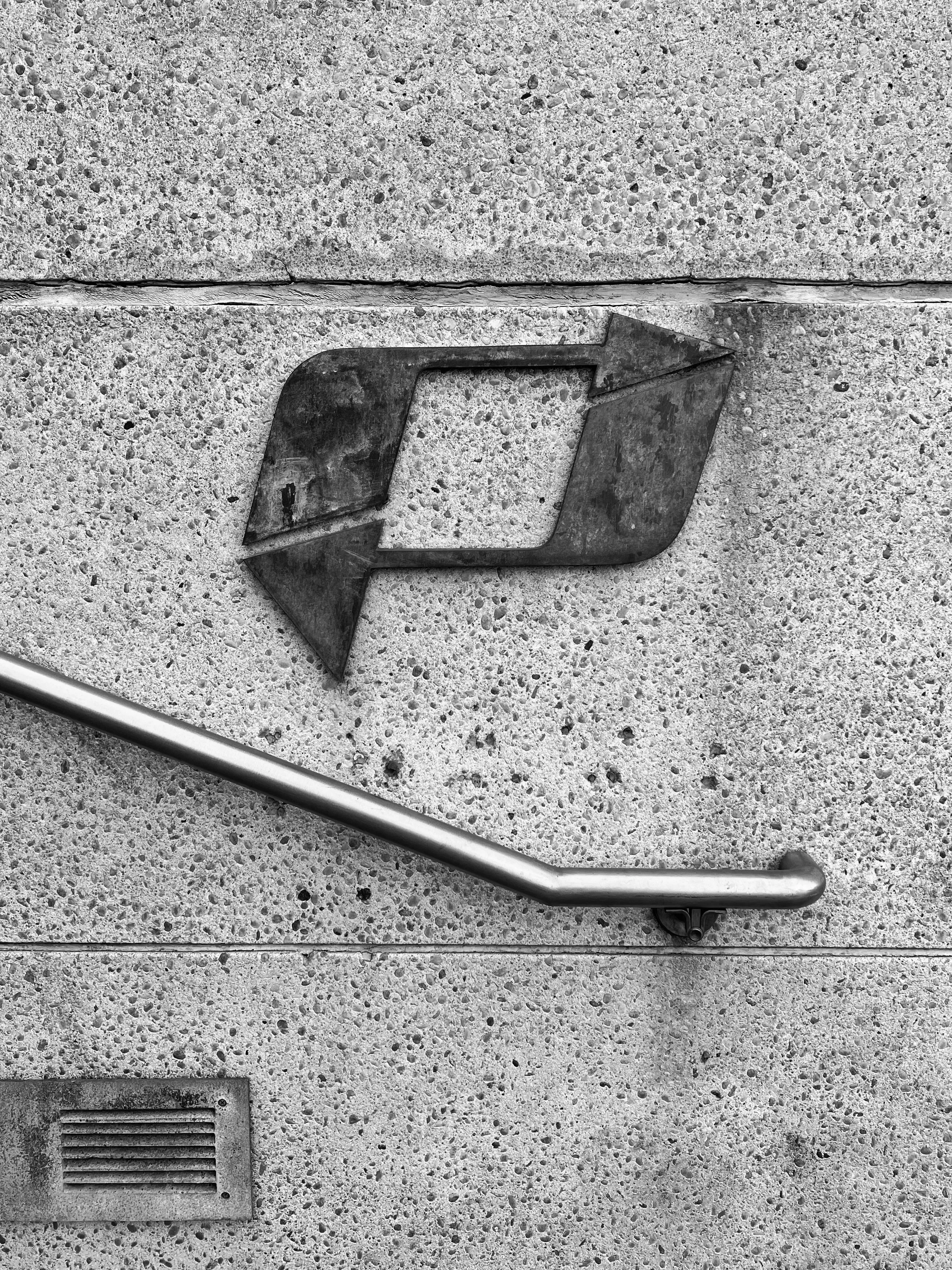
Visual Gestalts in Architecture
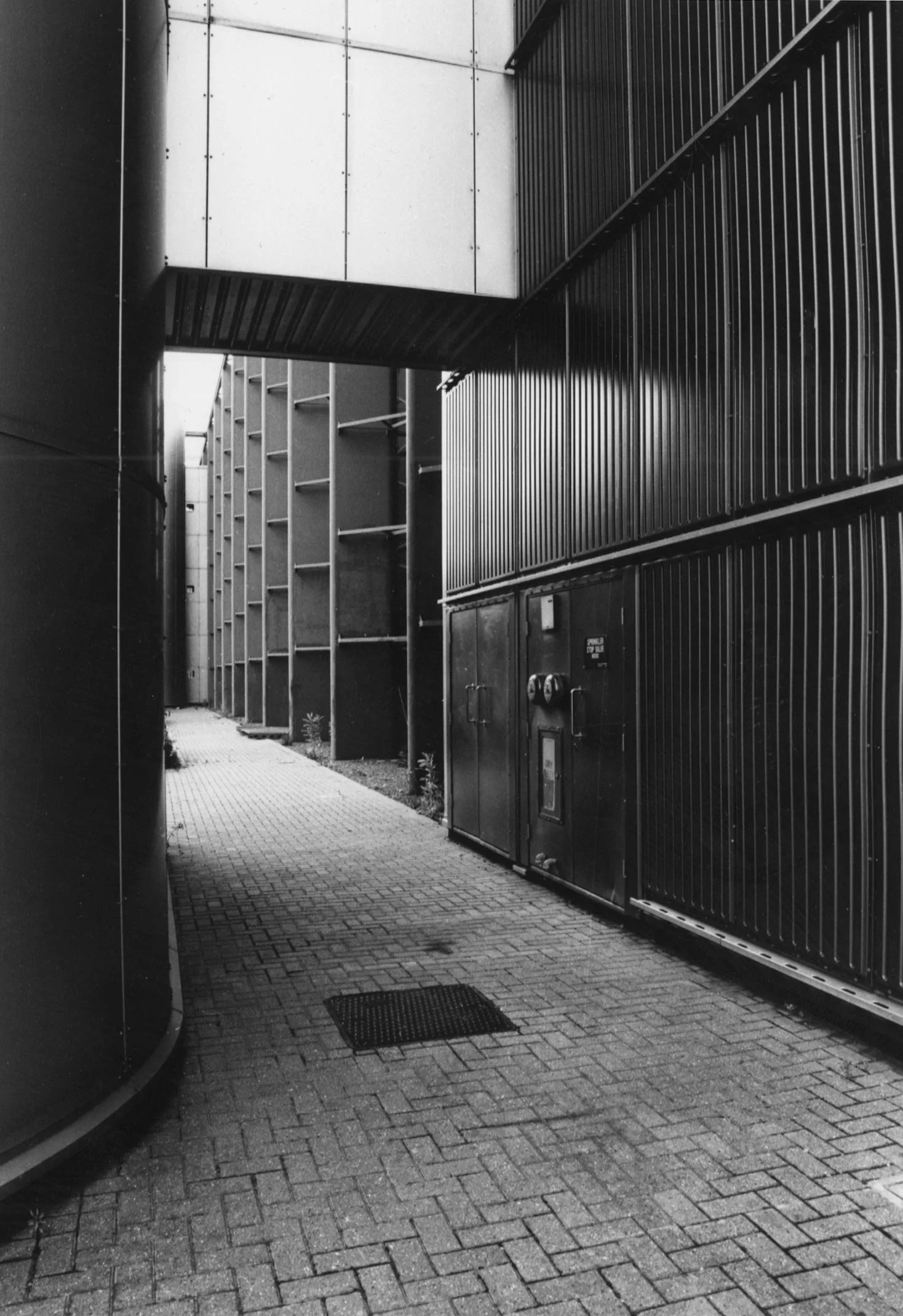
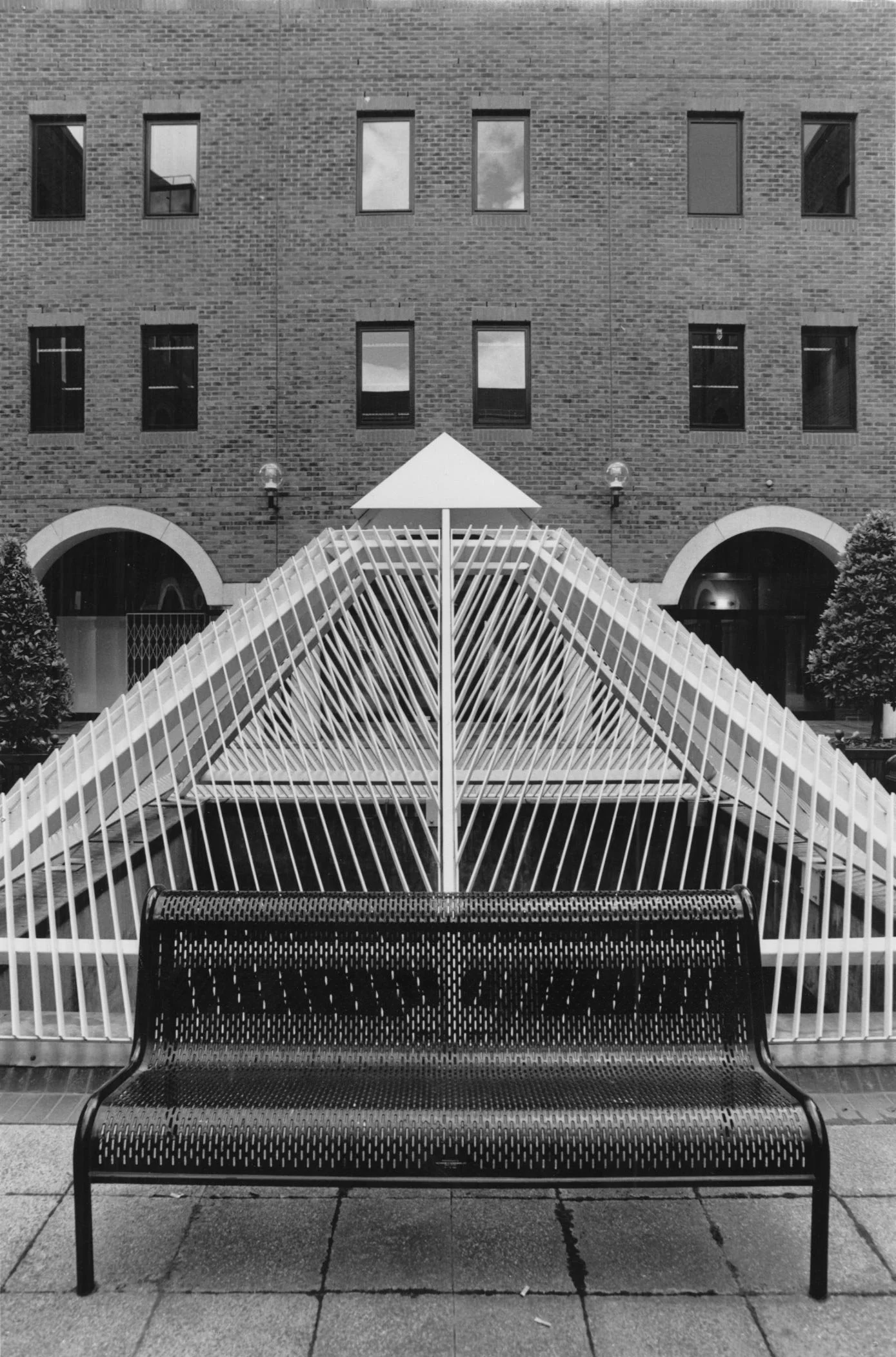
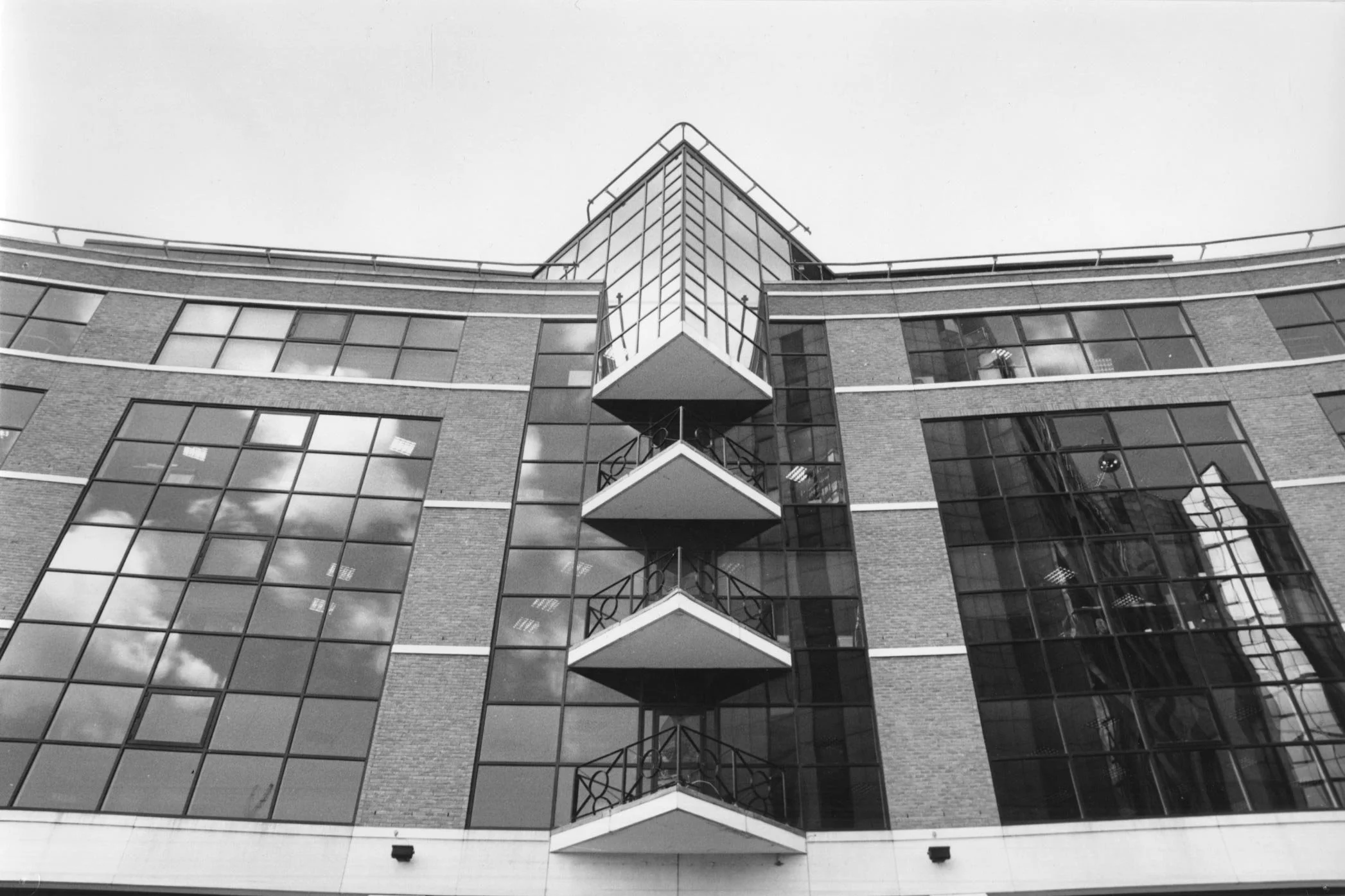
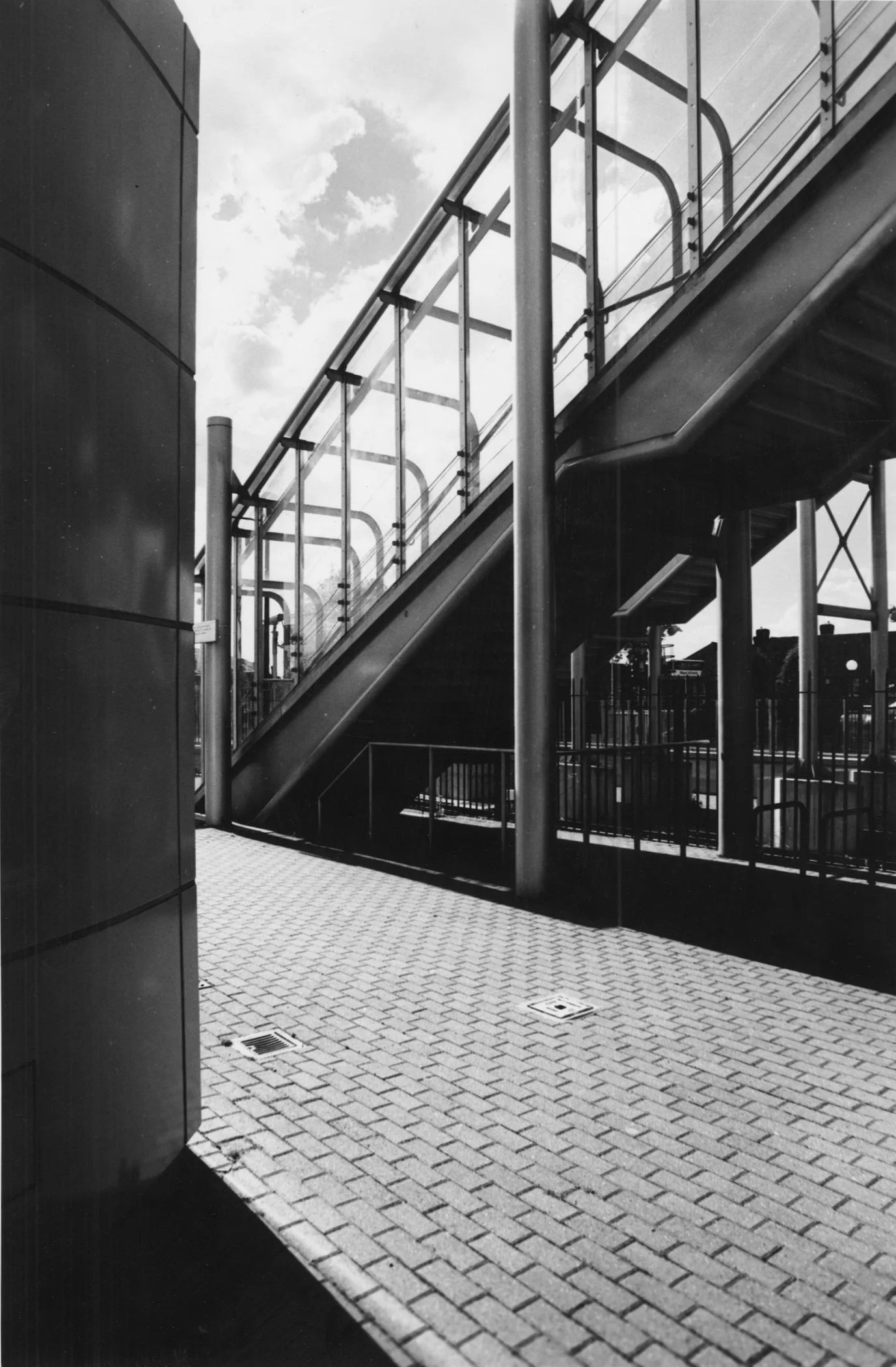
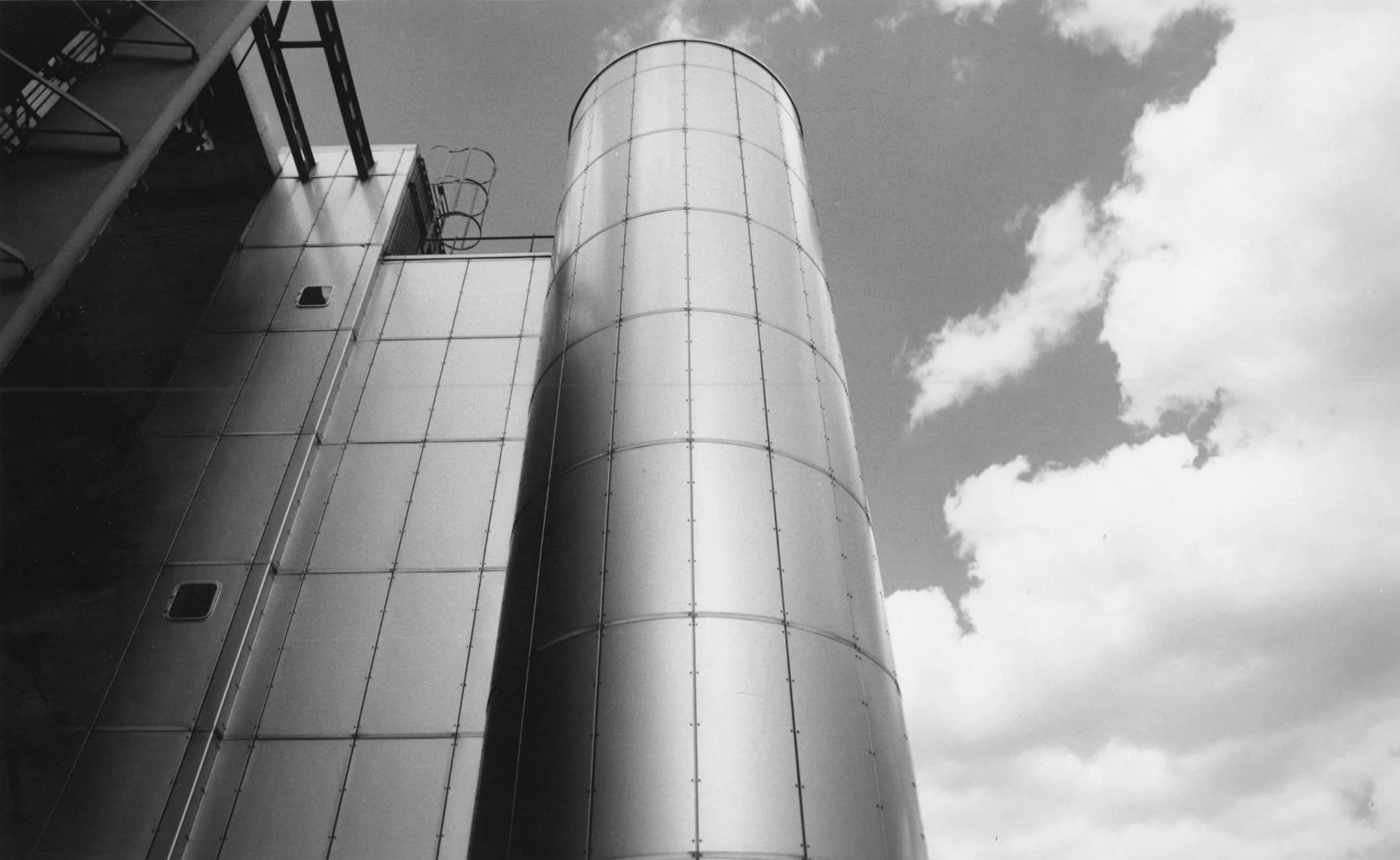
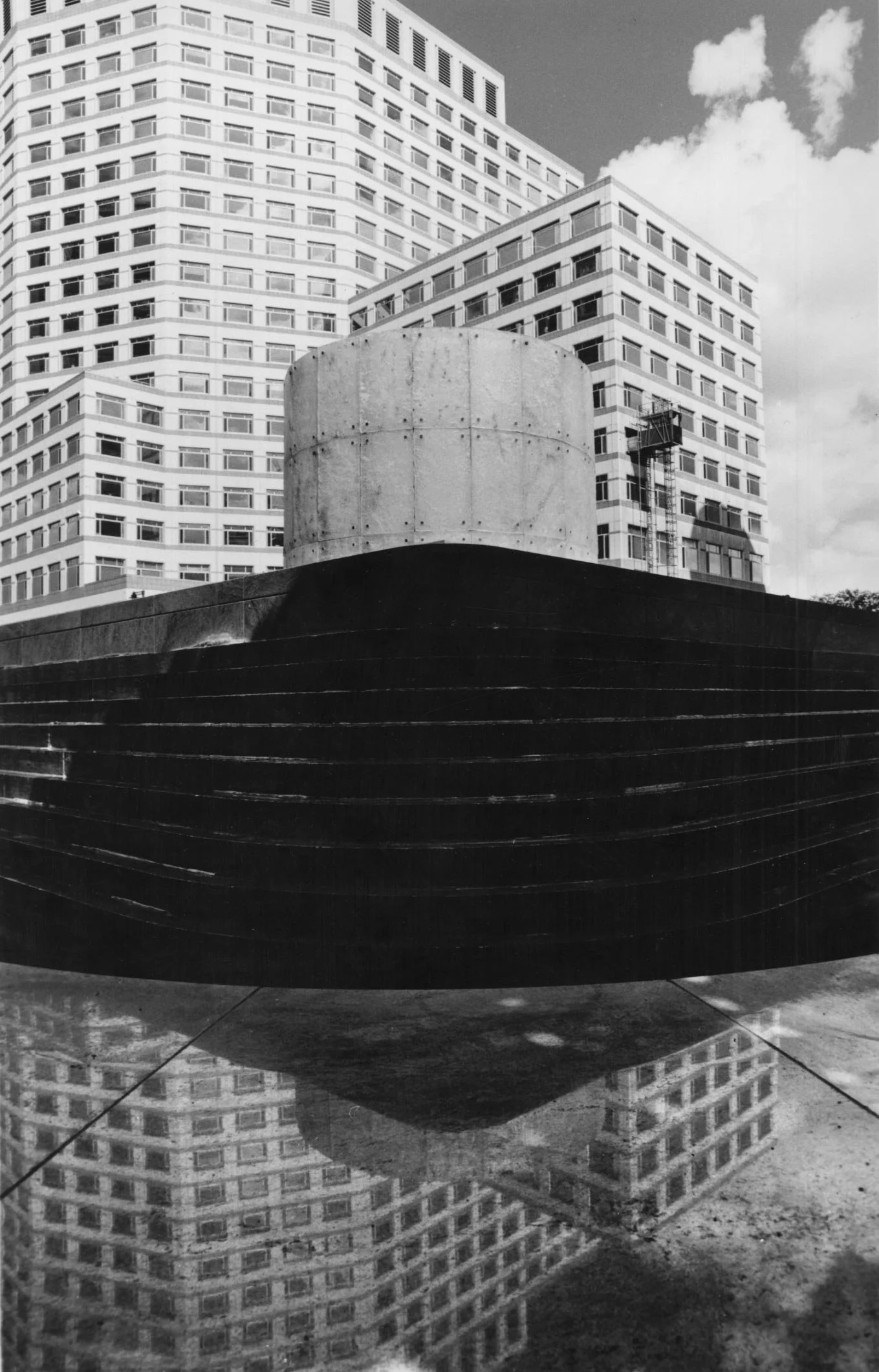
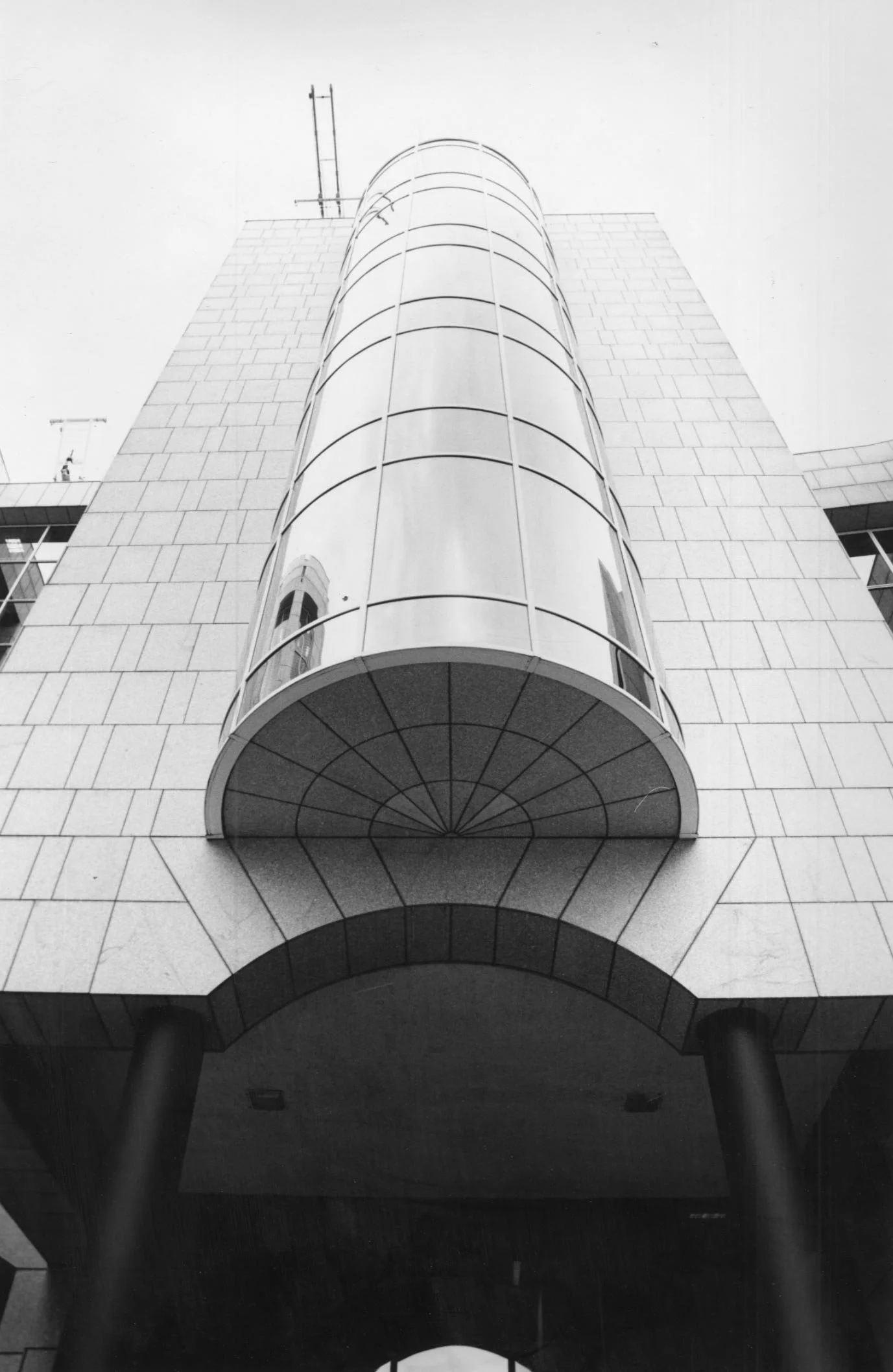
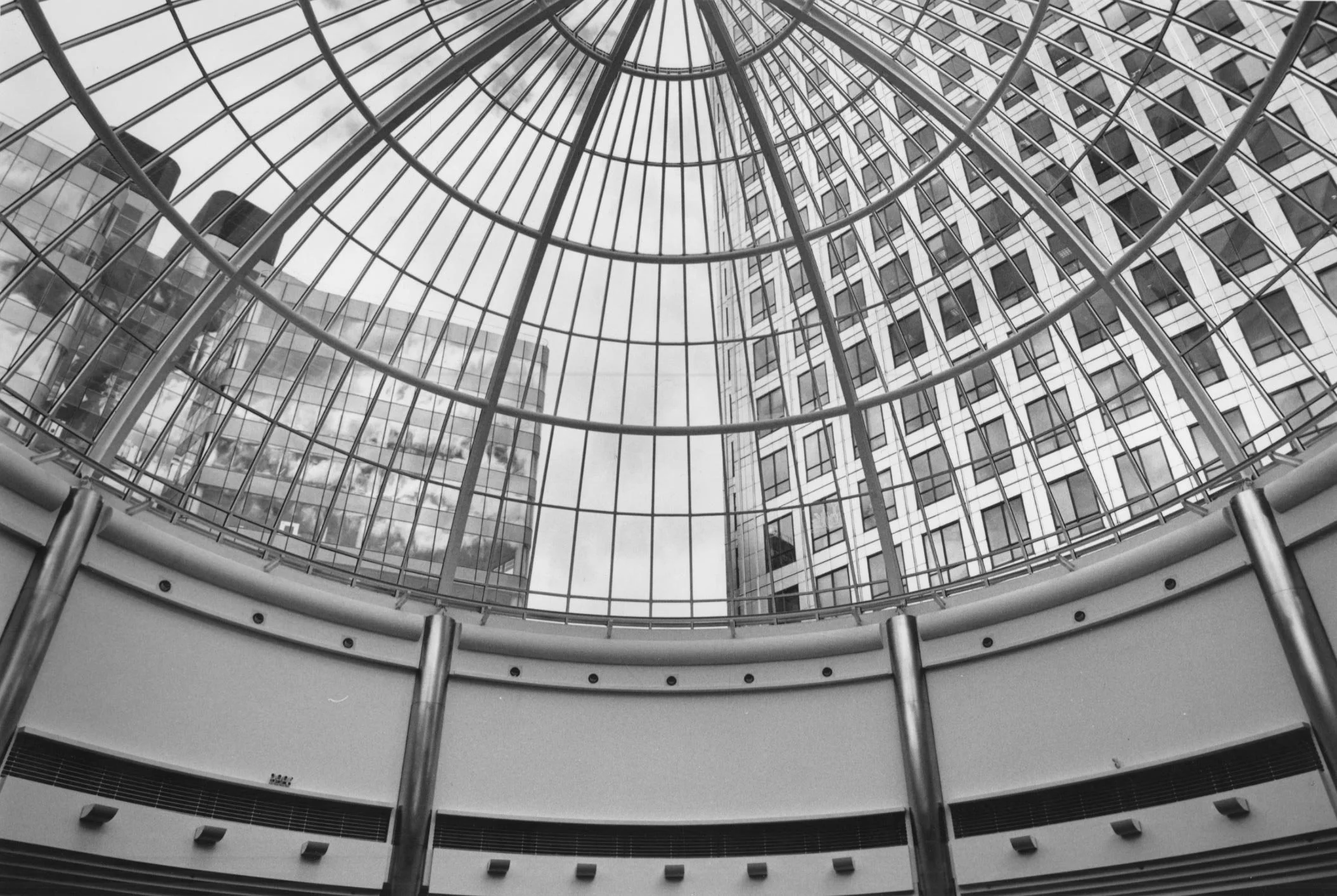
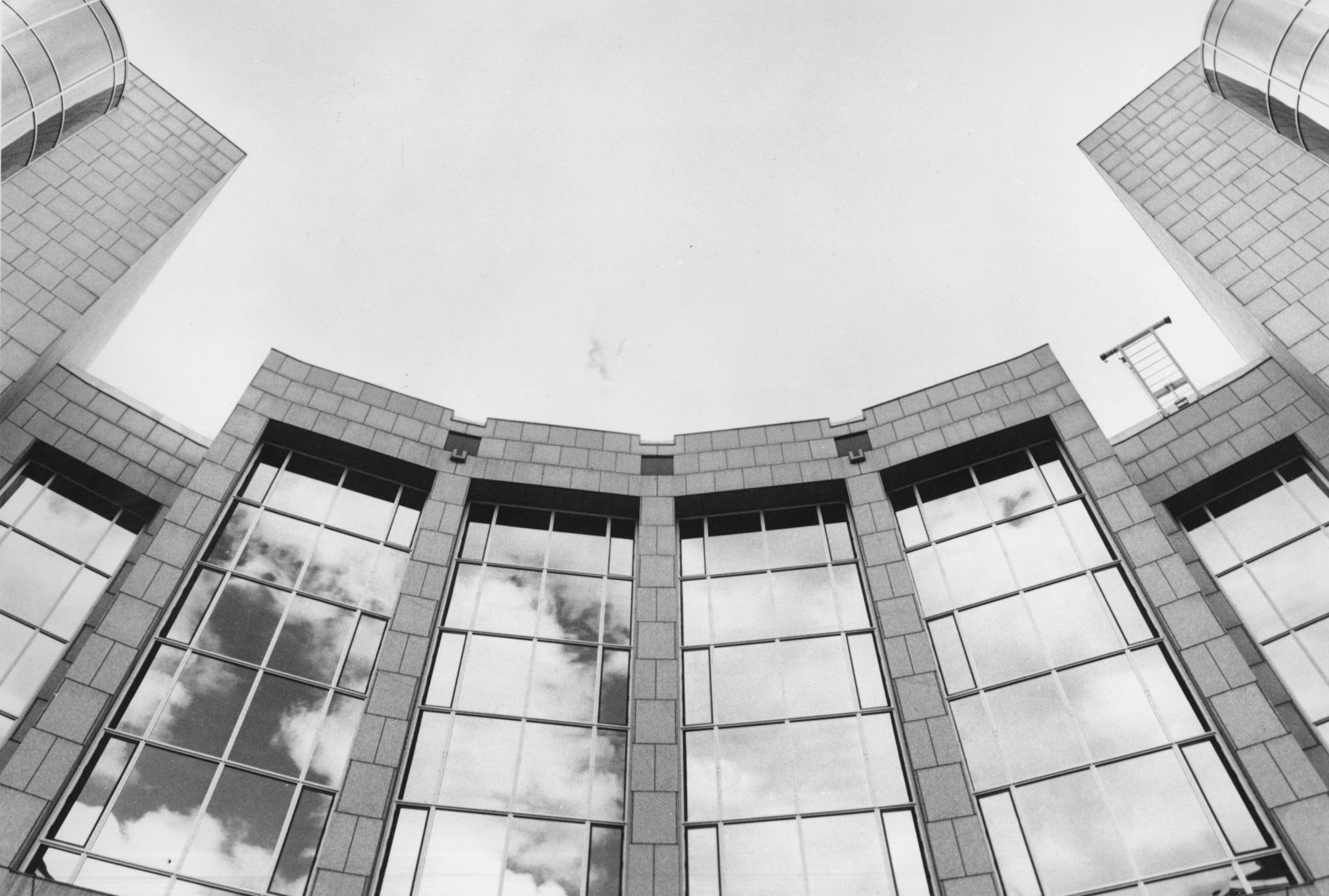
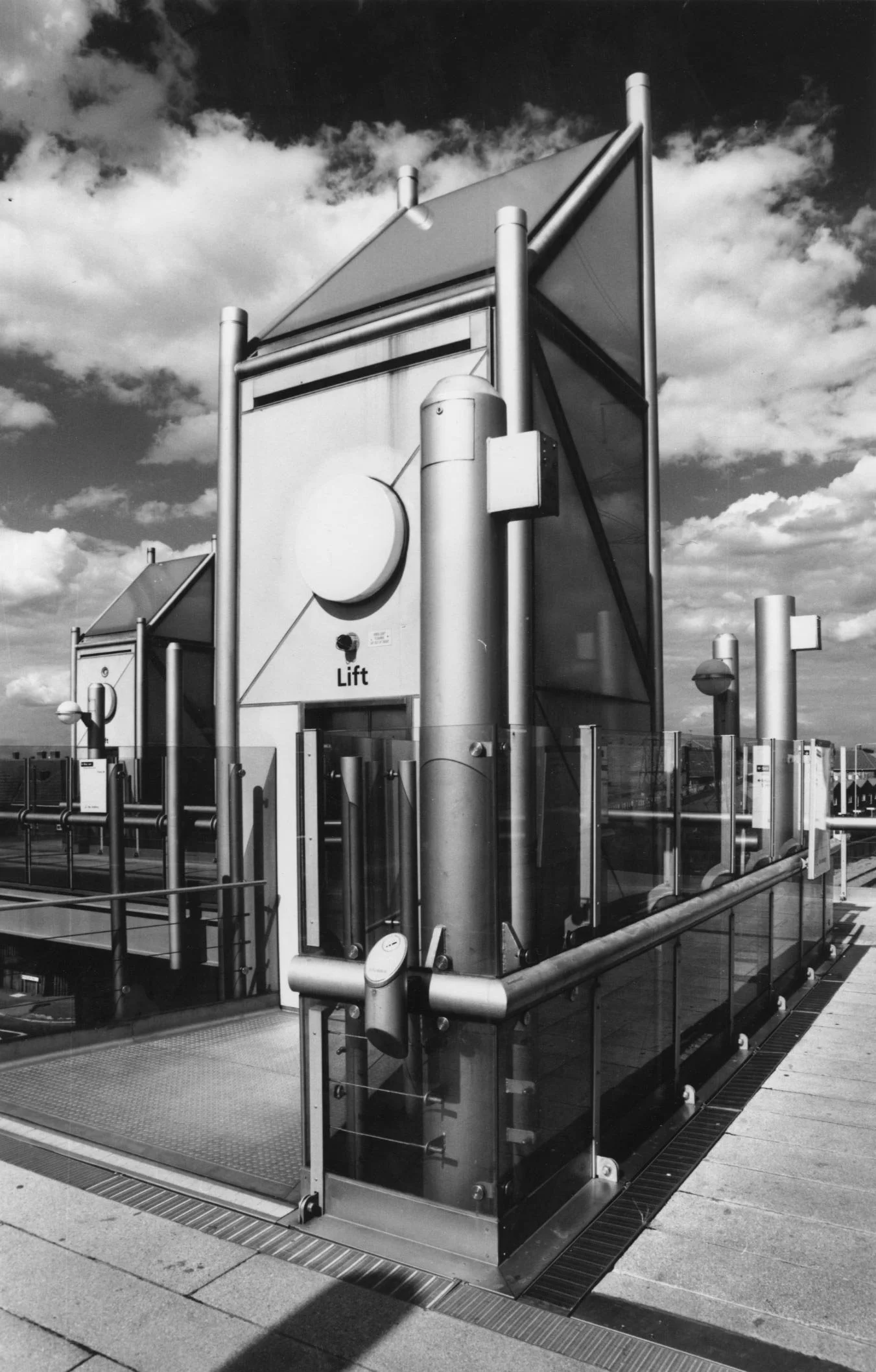
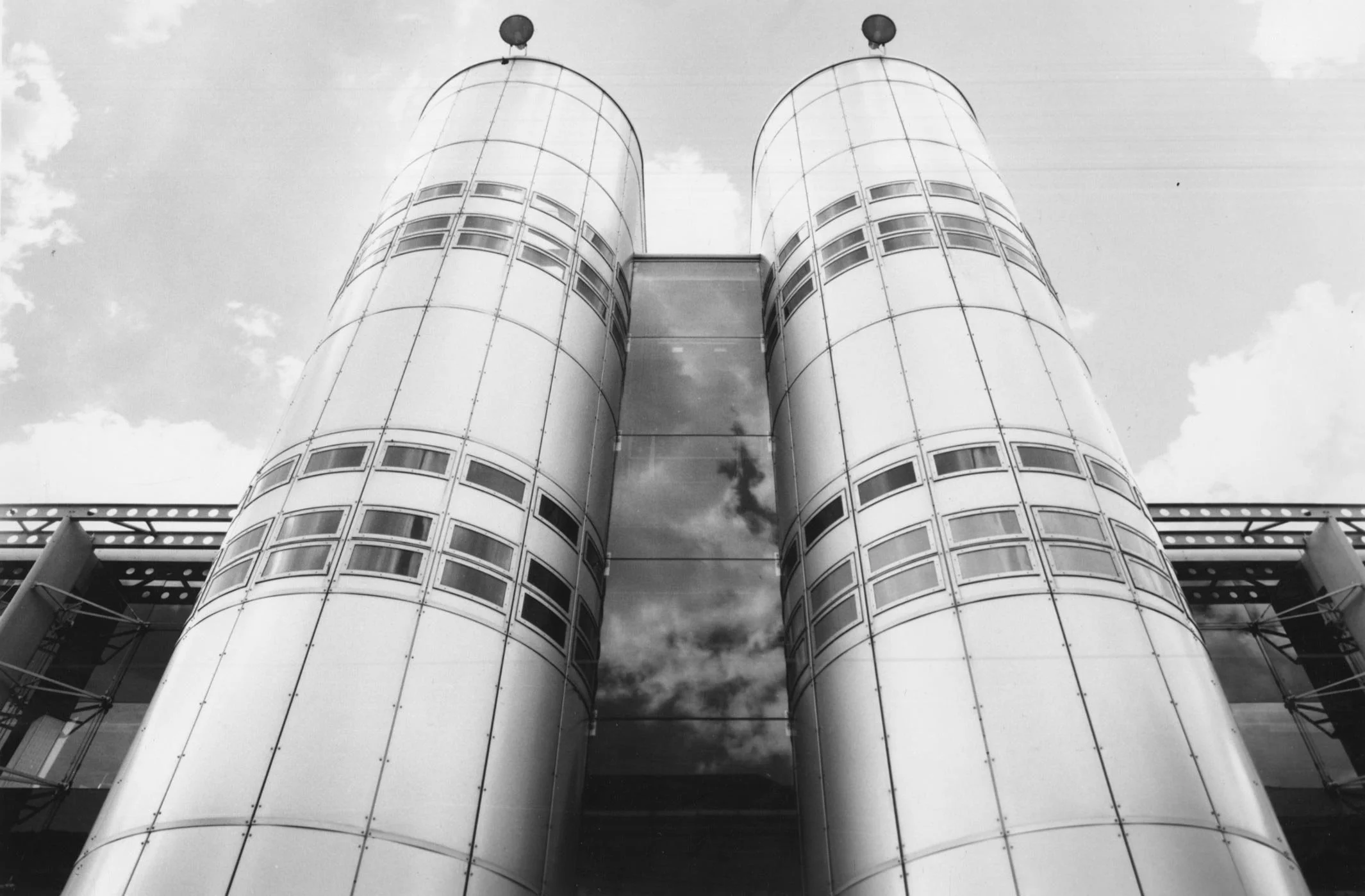
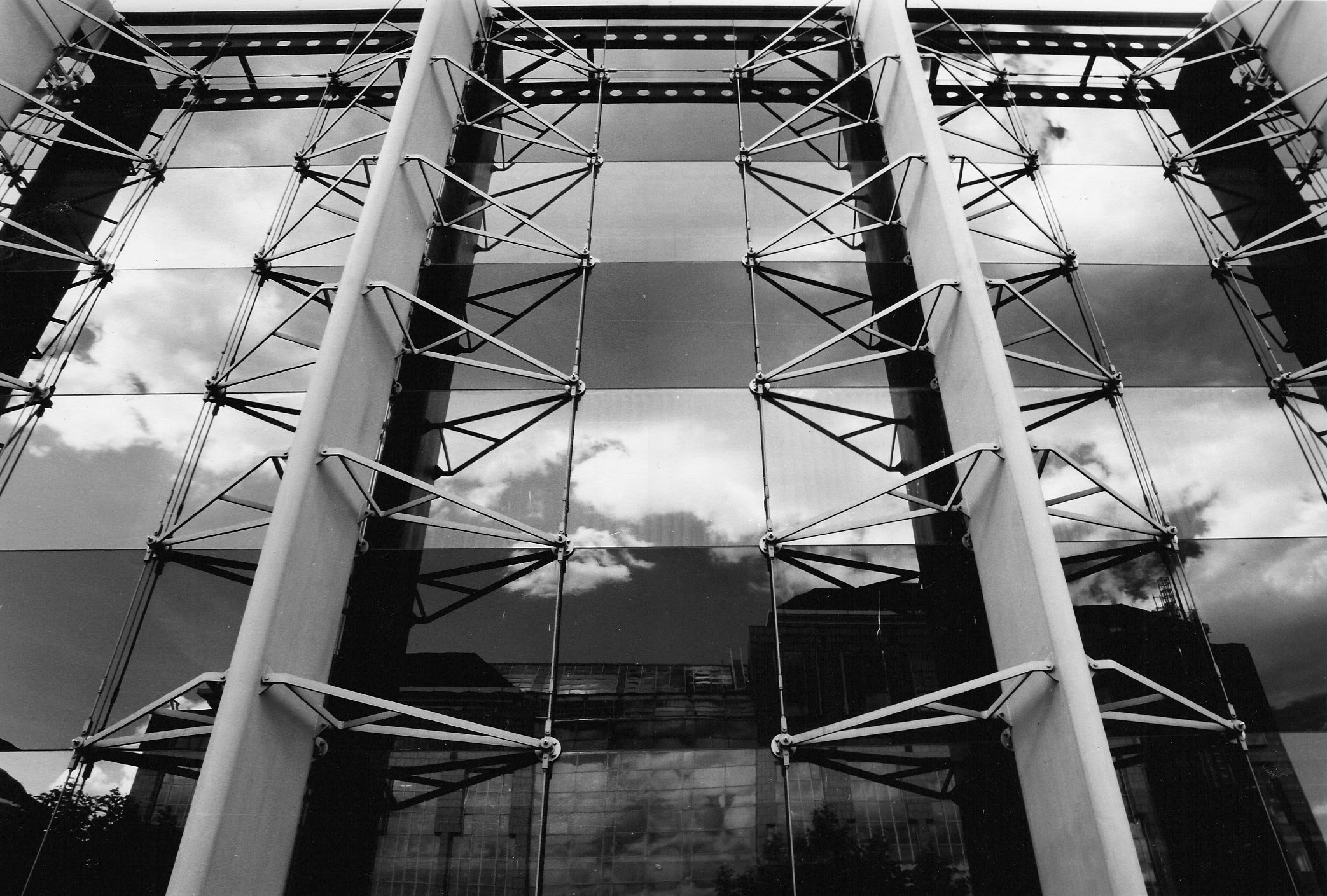
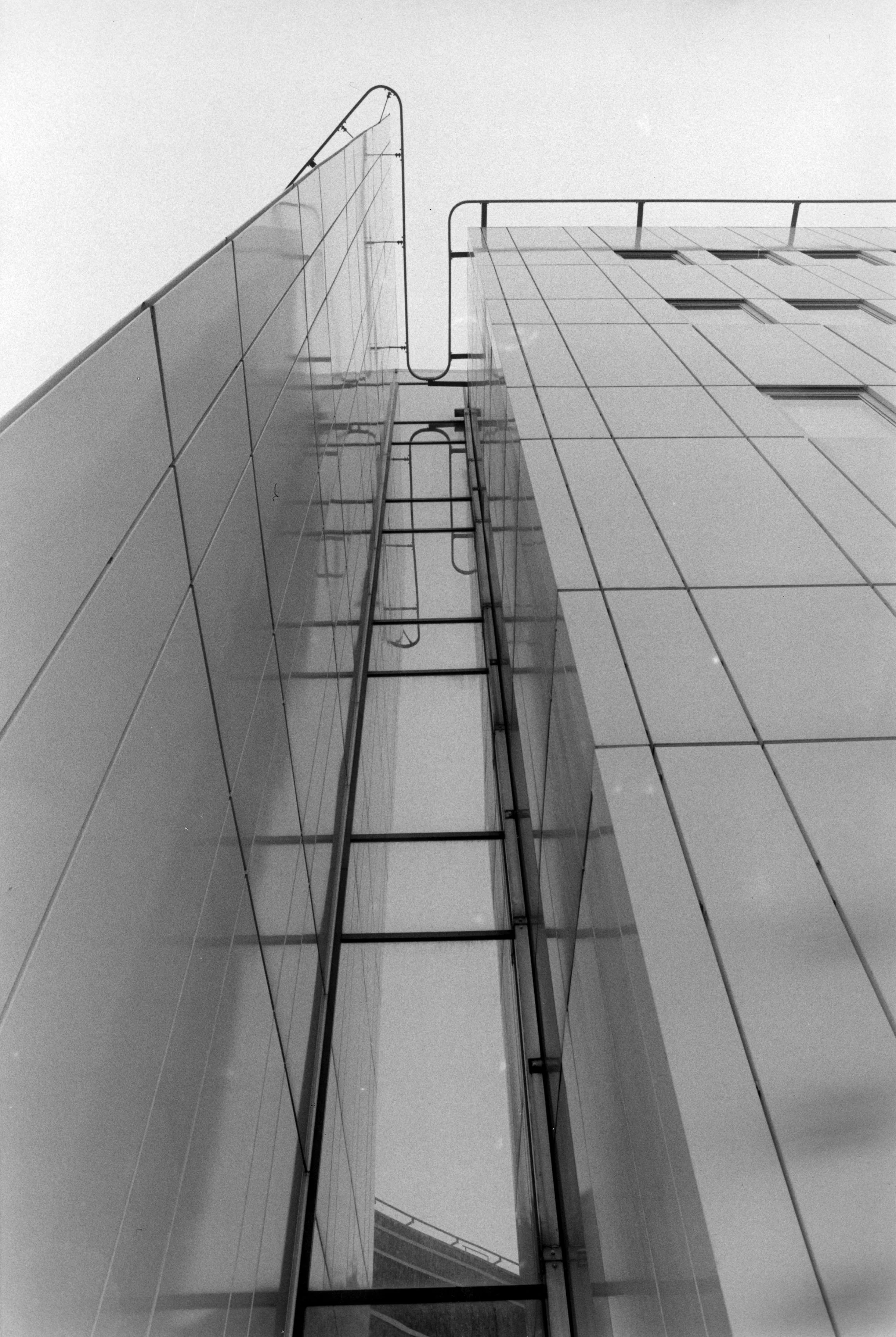
One of the reasons I love photographing architecture is for the lines, geometry, shape and form. Understanding gestalt visual theory as part of the design process has helped me to see why some images, more than others, are particularly powerful in their visual makeup. We are drawn to particular images and scenes in life becuase of how these principles show up in the environments we inhabit. Gestalt principles in visual design describe how the human brain groups similar elements, recognizes patterns, and simplifies complex images in order to understand them. (1)
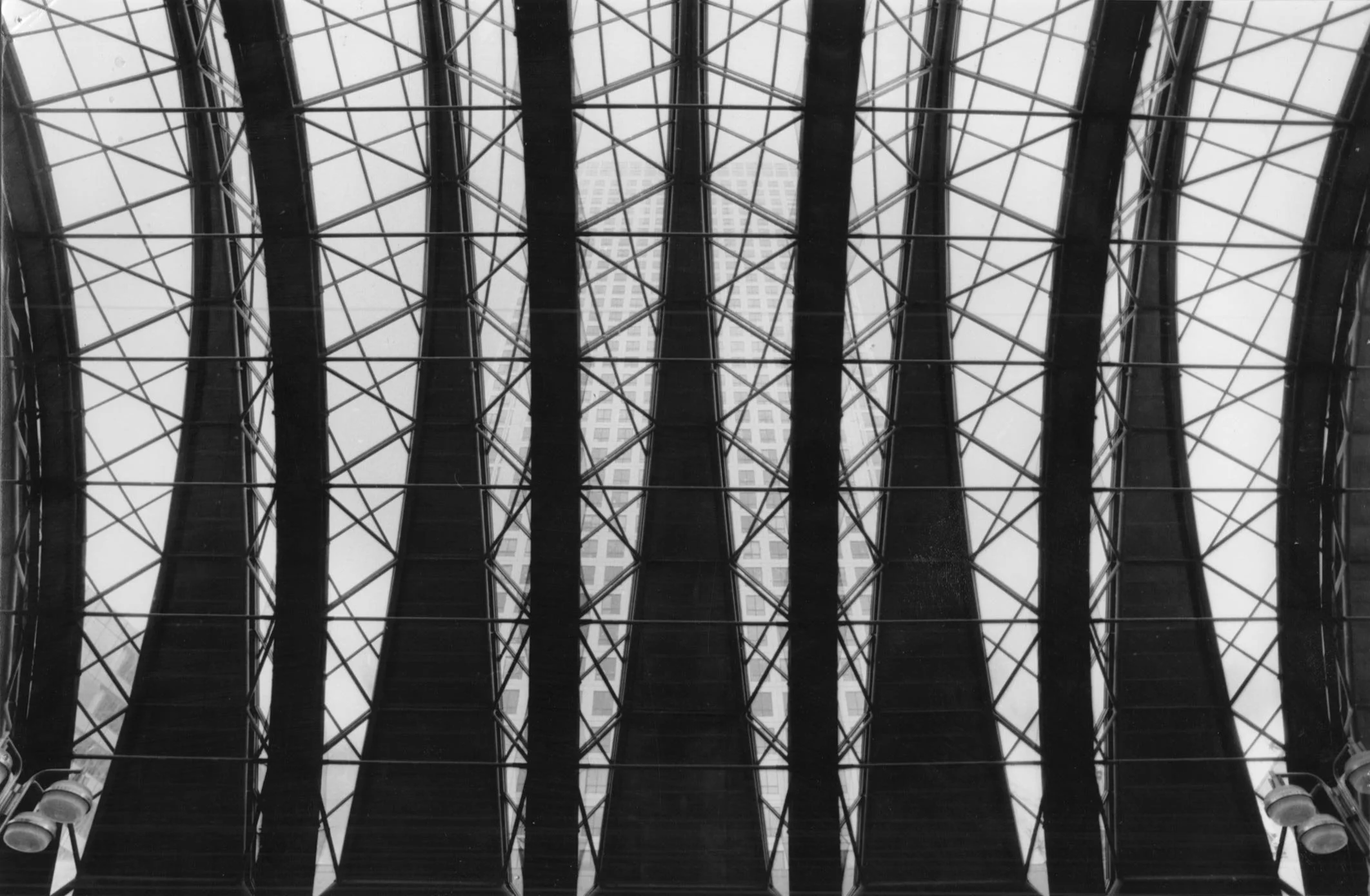
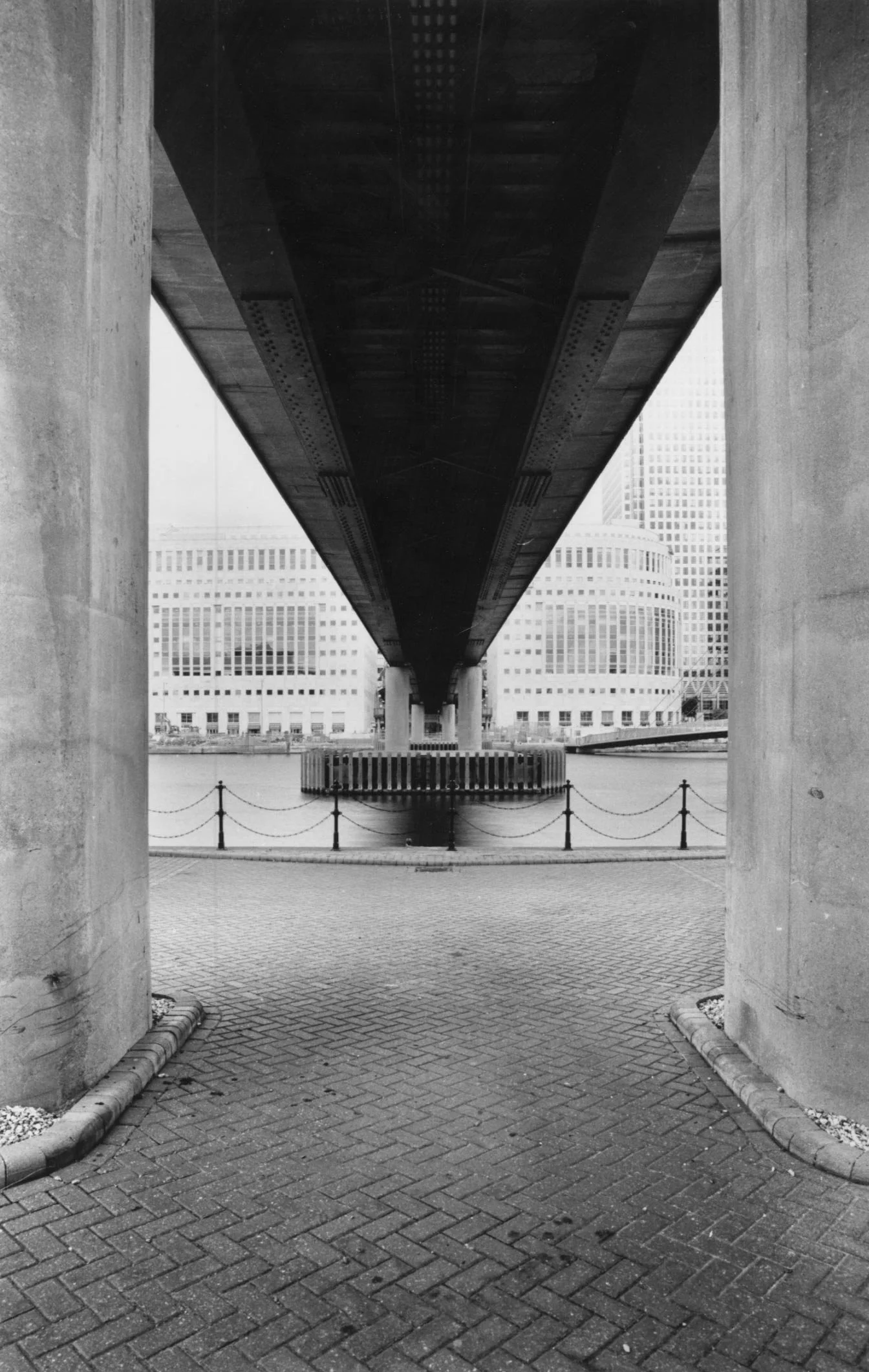
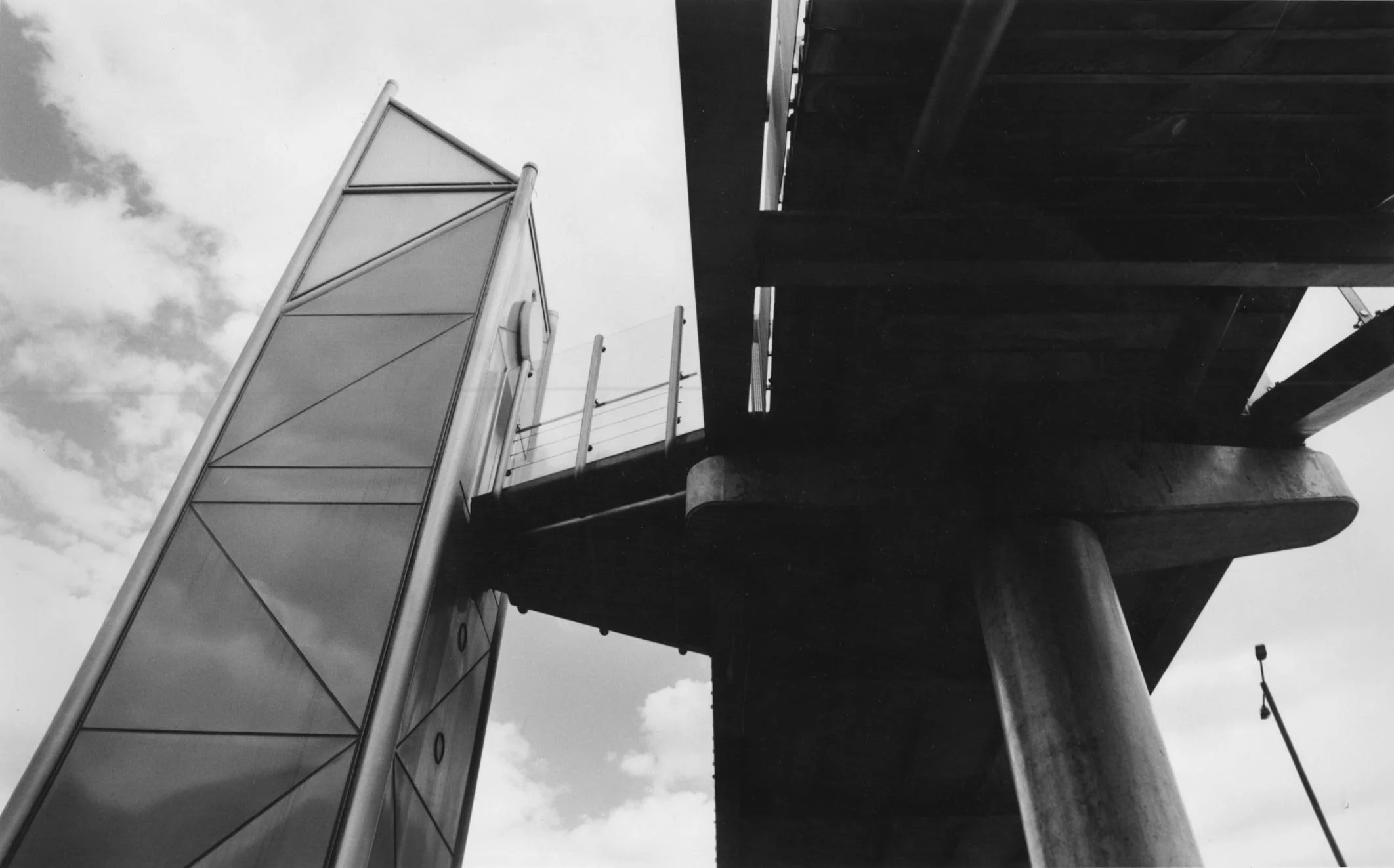
For example, in the images below the photograph taken under the bridge has a focal point in the center. Everything else in the image works around that focal point and the image draws you in. The reason it’s a strong image is that it uses a visual gestalt principle called “continuity” where the eye naturally follows the smoothest path along lines, curves, or a sequence of shapes, rather than seeing them as disjointed pieces. In design, this principle could be used with curved arrows or sequential steps in a timeline to guide the viewers eye naturally from one point to the next. (2)
Coined by German psychologists in the 1920s, the core philosophy of gestalt visual theory is that "the whole is greater than the sum of its parts". Designers use these foundational rules of visual perception to create intuitive layouts, guide the viewer's eye, and build meaningful visual hierarchies (3).
All images shot in Canary Wharf, London. Camera: 35mm Minolta X300 / wide angle lens. Film: Ilford FP4 ISO 125. Hand printed on Ilford Multigrade Photographic Paper.